





8 Ways Reporting Automation Strengthens K-12 Controls

Key takeaways:
- Automated reporting eliminates the delays that come with manual data collection and spreadsheet reconciliation.
- Real-time financial visibility helps district leaders identify red flags before they become audit findings.
- KEV Software inc. unites payments, accounting, and reporting in one platform built for K-12 districts.
- Standardized reporting across schools creates consistency and simplifies district-wide oversight.
- Audit-ready records are generated automatically, reducing year-end stress and compliance risk.
When district finance leaders rely on month-end spreadsheets and manual data entry, they lose something critical: the ability to see what’s happening right now. Late reports mean late decisions. KEV Software inc. gives districts reporting automation that closes the visibility gap, strengthening financial controls across every school in your district.
This article breaks down eight specific ways automated reporting can help you reduce risk, improve oversight, and stay audit-ready all year long.
Let’s get started.
1. Eliminate Delays from Manual Processes
Manual reporting requires staff to export data from multiple systems, format spreadsheets, and verify formulas before anyone can review the numbers. By the time a report reaches decision-makers, it may already be weeks old, and in a format that makes it hard to integrate with the bigger picture.
Automated reporting, on the other hand, pulls data directly from your integrated systems in real time. Finance teams don’t have to wait for end-of-month reports to understand where the district stands financially.
2. Catch Discrepancies Before They Become Findings
When transactions are tracked manually, discrepancies often go unnoticed until an auditor flags them. That’s a reactive approach that puts your district at risk.
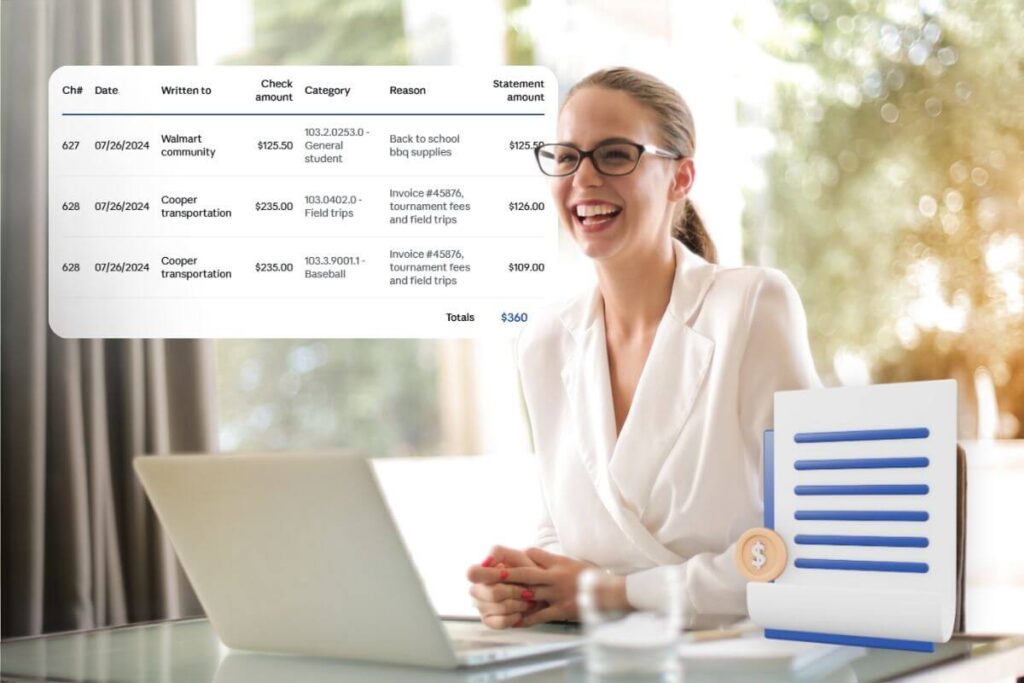
With automated systems, every payment is receipted, posted, and logged the moment it happens. Built-in alerts can notify staff when transactions don’t match expected patterns, giving you time to investigate before problems escalate.
3. Standardize Reporting Across Every School
Each school in your district may have different bookkeepers, different processes, and different ways of tracking funds. This inconsistency makes district-wide oversight difficult.

Our research shows that only half of school staff use district-managed systems for reporting. When reporting is done differently by every school, it’s harder to establish a baseline, make clear comparisons, and spot anomalies.
Reporting automation enforces standardized processes across all schools. Every campus follows the same chart of accounts, the same reconciliation workflows, and the same reporting formats.
4. Reduce the Risk of Human Error
Spreadsheets are powerful tools, but they’re also prone to formula mistakes, copy-paste errors, and version control issues. A single wrong number can cascade through your entire financial picture.
Automated systems reduce these risks by eliminating manual data entry. Transactions flow directly from payment collection to your general ledger without human intervention at each step.
5. Give Principals and Department Leaders Self-Service Access
When budget information lives only in the finance office, principals and department heads have to request updates constantly. This creates bottlenecks and delays important decisions at the school level.
Automated reporting platforms can give authorized users direct access to the data they need. Principals can check their remaining budget. Activity sponsors can see fund balances. This frees your finance team to focus on higher-value work.
6. Strengthen Audit Readiness Year-Round
Preparing for an audit shouldn’t mean months of scrambling to locate receipts, verify deposits, and recreate transaction histories. That’s what happens when records are scattered across spreadsheets and filing cabinets.

Audits are critical. But they shouldn’t feel like a fire drill.
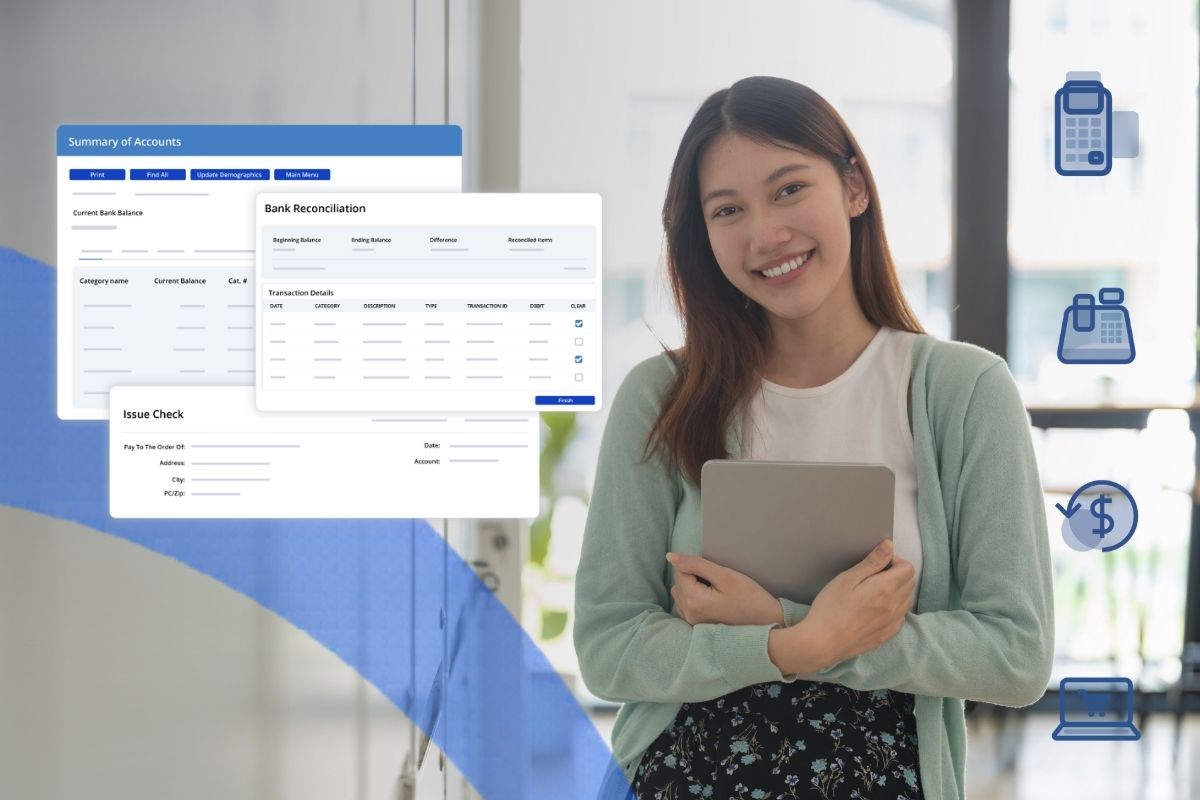
With KEV Software inc., every transaction creates a digital audit trail from the moment money changes hands. Districts using the platform can generate audit-ready reports in minutes rather than days, and the entire platform is built to safeguard funds from error and fraud.
7. Connect School-Level Activity to District Financials
ERP systems handle district-level accounting, but they weren’t designed to track the thousands of small transactions happening at individual schools. Field trip fees, athletic fundraisers, and club dues often fall through the cracks.
Reporting automation bridges this gap. Every fee collected at the school level is mapped to the correct account and rolled up into district-wide reports. You can finally see the full financial picture, from student-level transactions to district totals.
8. Free Up Staff Time for Strategic Work
Your finance team didn’t get into this field to spend hours copying data between systems. Yet that’s exactly what manual reporting demands.
Ongoing budget monitoring helps organizations identify problems early and improve decision-making throughout the year. Automation makes that kind of ongoing monitoring possible without adding to your team’s workload.
Why Reporting Automation Is Essential for Modern K-12 Finance
District finance leaders face growing pressure to demonstrate transparency, protect school funds, and stay compliant with state and federal requirements. Manual processes simply can’t keep up with those demands.
KEV Software inc. helps districts gain complete financial visibility with over 50 pre-built reports and built-in audit tools. When you can see every dollar in real time, you make faster decisions, catch problems earlier, and build trust with your board and community.
Ready to see how reporting automation can strengthen your district’s financial controls? Book a demo with KEV Software inc. today.
FAQs about Reporting Automation for K-12 Financial Controls
What is reporting automation in K-12 finance?
Reporting automation uses software to collect, organize, and present financial data without manual spreadsheet work. Instead of waiting for staff to compile numbers, district leaders get real-time access to accurate reports.
How does automated reporting reduce audit risk?
Automated systems create a digital trail for every transaction the moment it occurs. This means auditors can trace any payment from collection through deposit, reducing the chance of missing documentation or unexplained discrepancies.
Can small districts benefit from reporting automation?
Yes. Smaller districts often have fewer finance staff, which makes manual reporting even more burdensome. Automation reduces that workload while improving accuracy and oversight.
Does reporting automation replace our ERP system?
No. Reporting automation works alongside your existing ERP. KEV Software inc. integrates with ERP platforms to fill the school-level visibility gap that ERPs weren’t designed to address.
How long does implementation typically take?
Timelines vary by district size and complexity. Many districts are fully operational with KEV’s platform in a matter of weeks, with larger rollouts completed in a few months.
What types of reports can be automated?
Common automated reports include transaction histories, fund balances, outstanding fees, reconciliation summaries, and audit-ready documentation. Districts can also generate state-specific reports like GASB statements and 1099s.
Get the latest K-12 finance best practices delivered to your inbox.
Recommended For You