





Online Payments for Schools: How Two K-12 Districts Made It Work

Key Takeaways
- Small-dollar transactions like ice cream sales, dress-down days, and concession purchases can move online through bundled passes and annual activity fees, eliminating daily cash handling without eliminating the activity.
- Unbanked and underbanked families are not a barrier: prepaid Visa gift cards and on-site credit union partnerships have helped districts achieve cashless adoption.
- Parent adoption requires sustained effort at the start: registration tables at back-to-school events, school-by-school adoption tracking, and a genuinely easy parent experience are what moves the numbers.
- A centralized, online payment solution changes what year-end audits look like: district-wide financial reports that used to require school-by-school data gathering now take minutes.
Online payment solutions for schools give K-12 districts a faster, more auditable alternative to cash collection — eliminating bank runs, reducing fraud opportunity, and giving finance teams a complete digital record of every transaction. But the technology is only part of the challenge. The harder questions are operational: how to handle small-dollar purchases, what to do about unbanked families, and how to get parents to actually adopt the online school payment system. In practice, that means fielding questions from bookkeepers about ice cream sales and convincing teachers to stop collecting field trip money in cash.
Tiffany Rodriguez, Bookkeeper Specialist at Clayton County Public Schools, Michelle Jackson, Student Activity Funds Coordinator at Savannah-Chatham County Public Schools, and Cynthia Dunham, Executive Secretary to the CFO at Savannah-Chatham, have all successfully navigated this transition. Here are their best practices for setting up online payments solution for schools and how they overcame the most common objections to going cashless.
Why Districts Make the Switch to Online School Payments
For Tiffany, the shift to cashless K-12 payments wasn’t just about strengthening financial controls — it was personal.
“When I was a high school bookkeeper, I would have to take over $10,000 to the bank and stand outside waiting to get in,” she said. “The safety of our bookkeepers, the wear and tear on their vehicles — those were real issues.”
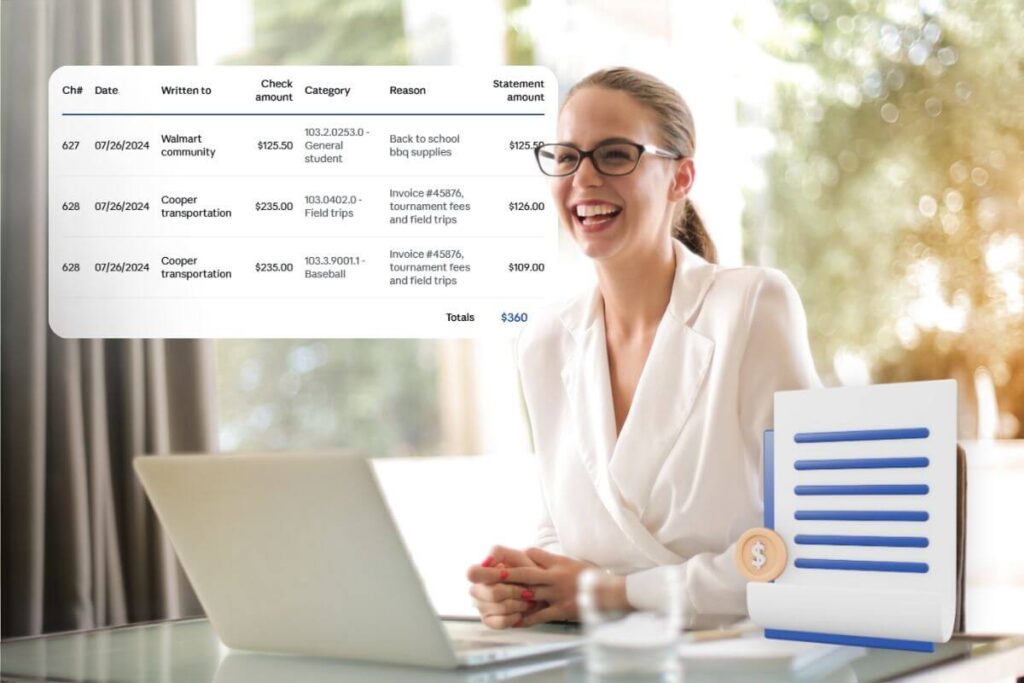
When Clayton County moved to KEV Group’s K-12 school finance platform, the daily bank run became far less frequent. The operational relief was real — but the bigger gain was knowing exactly where every dollar was. Tiffany described a system that now keeps a full digital payment history for every transaction — useful for parents at tax time, and even more useful when it comes to issuing refunds.
“With the online system, it’s very simple to do refunds. You just click the button and it refunds everybody’s money. Most of the time, it’s instant.”
Michelle illustrated the contrast vividly. After a hurricane forced the cancellation of field trips at several schools, one school still operating on cash had to write over 100 checks by hand — each for $40. A school already processing online payments issued the same refunds with a single click.
How to Handle Small-Dollar School Payments Online
One of the most common objections to online payments for schools is the small-dollar transaction: the $1 ice cream, the $2 dress down day, the concession stand snack. The concern is legitimate — asking parents to log into a platform for a $1 purchase doesn’t make much sense.
Both districts have found practical workarounds.
For small, recurring items like ice cream, Clayton County moved to weekly or monthly passes. Parents purchase the ice cream pass online; students receive a ticket that gets punched or initialed at each purchase. Inventory is tracked at the end of the period. It’s a model that eliminates daily cash handling without eliminating the treat.
For dress down days, Savannah-Chatham County Public Schools encouraged schools to bundle them into monthly, quarterly, or even annual fees. “Parents are more receptive to paying one fee than paying dress down day fees every week,” Michelle noted.
Some schools have taken it a step further — and for districts still running activity fund transactions through their ERP, the limitations of that approach become clear fast. Tiffany described how Clayton County’s high schools were already using annual dues — a single payment covering the year’s activities — and elementary schools have started adopting the same approach. Cynthia echoed this, noting that some teachers plan out the full year’s field trips and events at the start of the year and give parents the option to pay upfront, item by item.
“You’d set up each item, and parents can select what they want to pay for,” explained Cynthia. “Maybe they know they’re going on vacation in December — they can opt out of that field trip.”
Unbanked Families Aren’t a Barrier to Online School Payments
Concern about unbanked or underbanked families often surfaces as a reason not to move forward with online payments for schools. Both districts have also figured out how to address it.
Clayton County accepts prepaid Visa gift cards, which are widely available through grocery and convenience stores. Families without bank accounts can load these cards and use them just like any other payment method in the system.
Another approach that has worked well: partnering with a local credit union and inviting them to orientation to help any family open an account on the spot.
One KEV Group client district in the Houston area — where nearly 100% of households were unbanked — took this approach and achieved 96% parent adoption, going fully cashless in the process.
The barriers to adoption are real, but they’re also solvable. It just requires a willingness to meet families where they are.
Driving Parent Adoption of Online School Payments
Getting parents onto a K-12 payments platform takes sustained effort, especially in the early months.
Savannah-Chatham set up a registration table at their back-to-school expo and signed up parents directly — using laptops and cell phones, translating for Spanish-speaking families on the spot. “We had parents just walking around looking at different tables,” Michelle said. “We signed up a lot of parents to SchoolCash that day.”
Clayton County monitors adoption rates school by school using the platform’s built-in reporting. Sharing those numbers with bookkeepers creates a friendly competitive dynamic — schools start pushing each other to improve their numbers.
There’s a longer-term case for it too. Starting in elementary school pays dividends later. By high school, it’s just how things work. Students who grow up with digital payments don’t question it.
One practical driver of adoption that often gets overlooked: making the parent experience genuinely easy. Automatic notifications when a new fee is assigned, a single login for all students across all schools, the ability to pay in installments for large trips — these all make the online option the obvious one.
Online Payments for Schools and Audit Readiness
A cashless, centralized system also changes what year-end K-12 audits look like.
Michelle described how her team now pulls down expenditures, revenues, and closing balances for all 55 schools in a single report and uploads it directly to auditors. What used to require school-by-school data gathering now takes minutes.
The 1099 process is simpler too. The platform generates a 1099 report that goes to accounts payable — and throughout the year, the team can pull interim reports to verify vendor information before year-end, rather than scrambling to fix issues after the fact. For districts where audit prep is a significant annual burden, that alone can make the case.
Going cashless looks different in every district. But the objections are almost always the same — and as Clayton County Public Schools and Savannah-Chatham County Public Schools show, they’re more manageable than they seem.
Ready to get started? Book a demo and our school finance experts will walk you through how it works for districts like yours.
Get K-12 finance insights delivered to your inbox.
Recommended For You