Watch how Alief ISD improved financial visibility with SchoolCash.
School districts across the country are looking for better ways to manage student payments. Cash handling takes time, increases risk, and often pulls staff away from the work that matters most.
Alief Independent School District faced the same challenge. Like many districts, they relied on manual processes for collecting money across campuses. Teachers and staff often had to collect payments, write receipts, and pass cash to the front office. This process took time away from classrooms and made it harder for the district to track payments across schools.
By introducing online school payments through SchoolCash, Alief ISD began shifting away from cash and toward a simpler system for families and staff.
Early in the rollout, an intermediate school decided to fully support the new system. During meet-the-teacher nights and open house events, staff helped parents register for online payments and answered questions about the process.
They also partnered with a credit union to help families who did not yet have bank accounts get started. This support made it easier for parents to participate and helped remove barriers that many districts worry about when moving away from cash.
By the end of the first school year, the campus reached a 95% adoption rate for online payments.
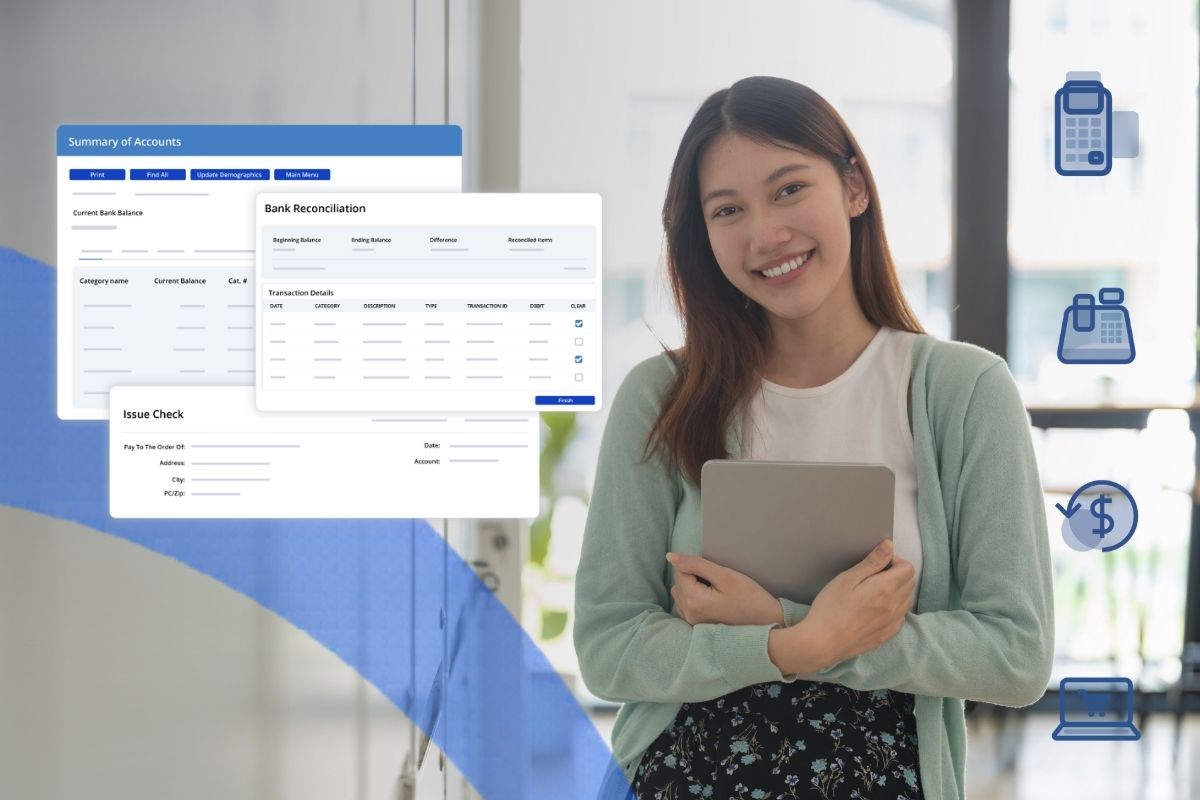
Moving to online school payments also gave district leaders clearer insight into what was happening at each campus.
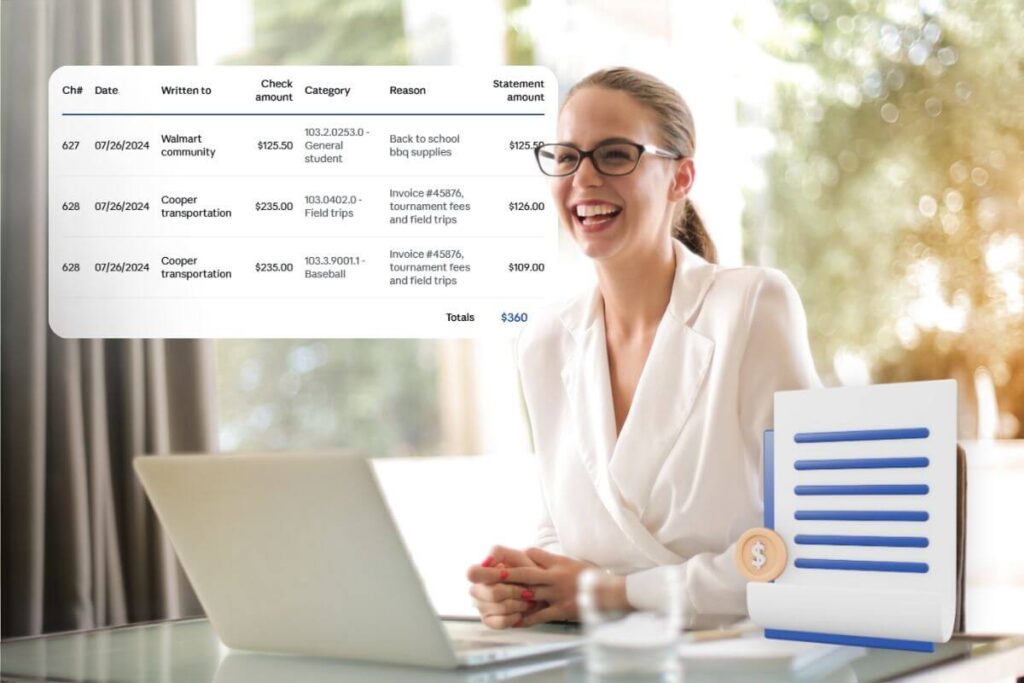
Instead of relying on manual records, staff could review payment activity across schools and access reports more easily. This helped the district prepare year-end reports and audits with greater confidence.
When payments happen online, each transaction is recorded. That record reduces the chance of missing or unreported funds and helps districts keep better control over financial activity.
“Being set up with SchoolCash has given us visibility across the district of what’s happening at each campus.”
One of the biggest benefits was time. When teachers no longer had to collect cash and write receipts, they could stay focused on students instead of handling money.
Parents also appreciated the convenience. With online payments, families could pay school fees for multiple students in one place without sending cash to school.
“We want them focused on the students and their educational needs, not the money side of things.”
As more families began paying online, Alief ISD saw higher participation in certain activities and events. Parents who could pay with a credit or debit card were often more likely to make purchases than when only cash was accepted.
For districts exploring online school payments, the experience at Alief ISD shows how early support, clear communication, and campus leadership can help drive strong adoption.
Now that I am seeing everything, I realize how much we probably weren’t seeing before. So I think with our year-end reporting and getting things ready for our audit, we can see a lot more and kind of analyze the information more. Being set up with SchoolCash has given us visibility across the district of what’s happening at each campus.
When you start talking about the amount of time that it takes to write receipts and, you know, taking a teacher out of the classroom or their instructional time to collect cash, receipt money, bring it to the bookkeeper, count that money, we want them focused on the students and their educational needs, not the money side of things.
So we did, um, get a lot of pushback when we first were talking about going to SchoolCash that because of our demographics in our district, there’s no way we could go cashless. We weren’t gonna get buy-in from families.
And we had one intermediate school who right off the bat just took this under their wing and said, “We’re gonna make this work.”
They started out the year with their Meet the Teacher Nights and, and open houses, um, just having someone available to help get parents enrolled. So they ended the first school year at about 95% adoption rate.
So one thing that they did was they actually brought in a credit union to the parent nights to help educate parents about finances and help get some of these parents set up with bank accounts who maybe didn’t have a bank account previously.
Because of those high adoption rates and parents paying online, they also had the highest collection rate of any other campus in the district.
Communication with, uh, the administrators at your campuses, kind of getting that buy-in, I think the more you can, um, get them excited about it and understand why it’s important and why it can help them and save them time.
Campuses are, that are using them are seeing an increase in sales in certain areas, specifically, like their concessions, um, tickets, that immediate need.
We’re in a time where more people are cashless as an individual so being able to just swipe that credit card.
And we have parent feedback from, uh, different events too where they came up to the line to buy additional items and said, “Oh, you, you can take a credit card or a debit card? I’ll buy more.” Whereas if it was a cash item, they wouldn’t have been able to at that point because they had already would have already spent what they had.
So it does make it easier for us to access and see what is going on on campuses if we have questions.
I would say definitely it reduced risk, because anytime you get cash out of the mix, there’s not that opportunity for cash to go missing, whereas if they pay online, you now have a record of that payment.
You can’t go spend that money without a record, so you can’t have those unreported transactions that you potentially had when you were dealing with cash. And taking that cash out of the mix I think is key.
There’s a customer service piece to it also.
I was on a campus one day, and they were talking about a parent who came in who just realized if she signed up for SchoolCash, she could pay all her student fees, and she had students at three different grade levels.
You don’t even have to do or worry about if parents just paid online. That’s a mindset thing to get people used to that and looking at things that way.
It’ll free up so much time, and especially for our teachers, our instructors. We want them in the classroom.