





How to Get Through a School-Level Audit With Zero Site Visits
Key takeaways:
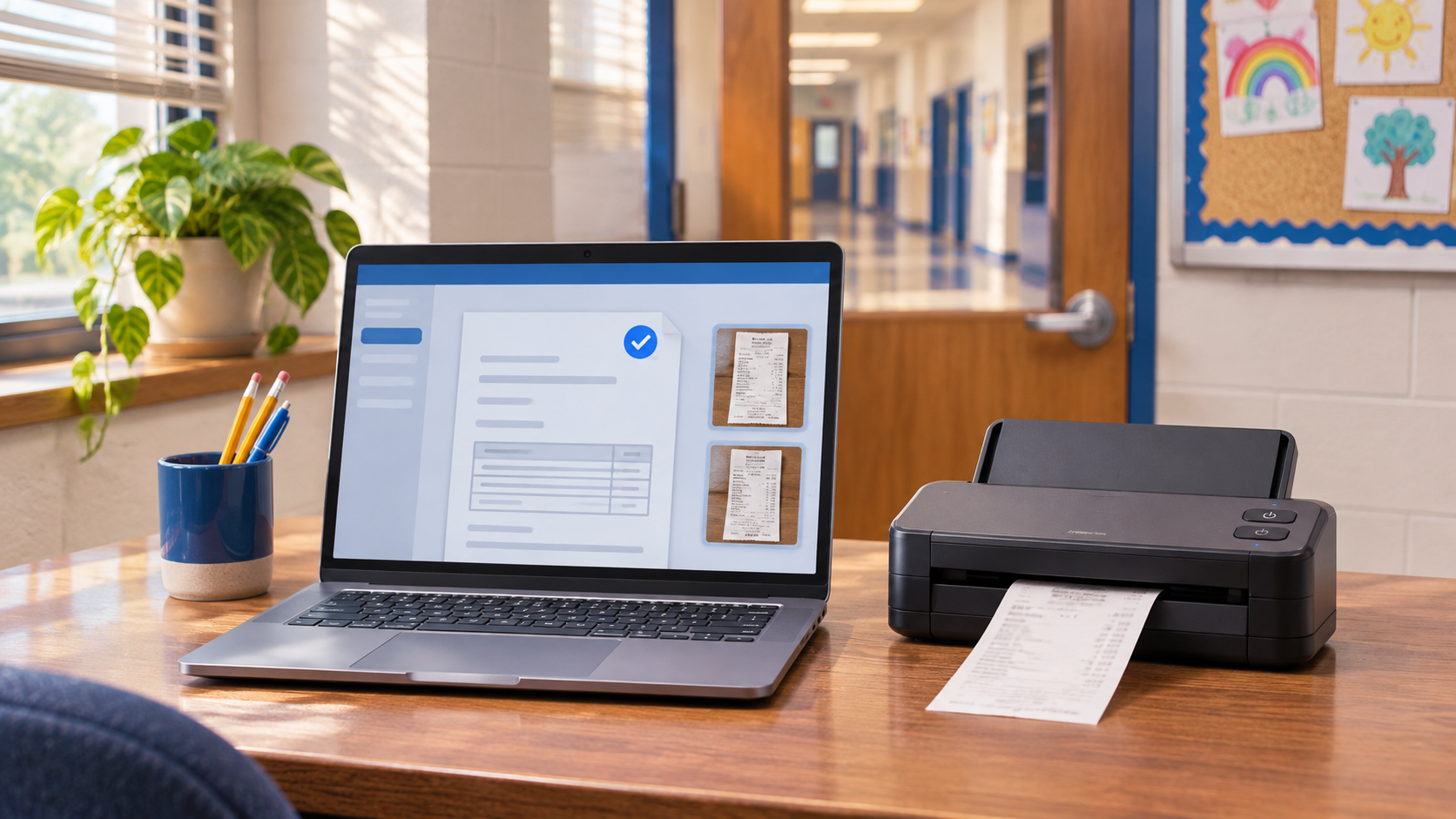
- Stanly County Schools (22 schools, 8,700 students) had its external auditors review school records entirely online for the first time.
- The auditors canceled their on-site visits to the schools and reported no findings.
- Audit readiness came from small habits done every month: scan the backup, attach it to the transaction, and reconcile on time.
- Moving payments online cut cash on campus. Parent participation in SchoolCash Online reached 92%, and most schools now use no receipt books.
- The district started small (purchase orders and invoices first) and added a new practice each year.
Most school bookkeepers know the routine: A few weeks before the auditors arrive, someone starts hunting for a receipt that’s faded in the file drawer or the check copy that landed in the wrong folder.
Stanly County Schools in North Carolina used to deal with this at scale. Each school sent about four banker boxes of records to the county office, and the auditors worked through a conference room full of them. This year, the auditors called off the school visits and did the work online.
We recently hosted a webinar with Sara Helms, Stanly County’s internal auditor and a former school bookkeeper, to ask how they did it. Here’s what she told us.
What the auditors actually look for
How can you prepare for an audit if you don’t know what an auditor looks for? Sara is helpful here, with the five key things on an auditor’s list: a complete documentation trail from money received to money spent, separation of duties, proper approvals, reconciled records, and timely deposits.
To keep everything running smoothly, Stanly County requires daily deposits and does not let bookkeepers hold money overnight. Requisitions are approved by principals before anything is entered, and purchase orders are approved in the system. Checks carry dual signatures, and reimbursements to principals or bookkeepers go to the county office for the CFO or Sara to sign.
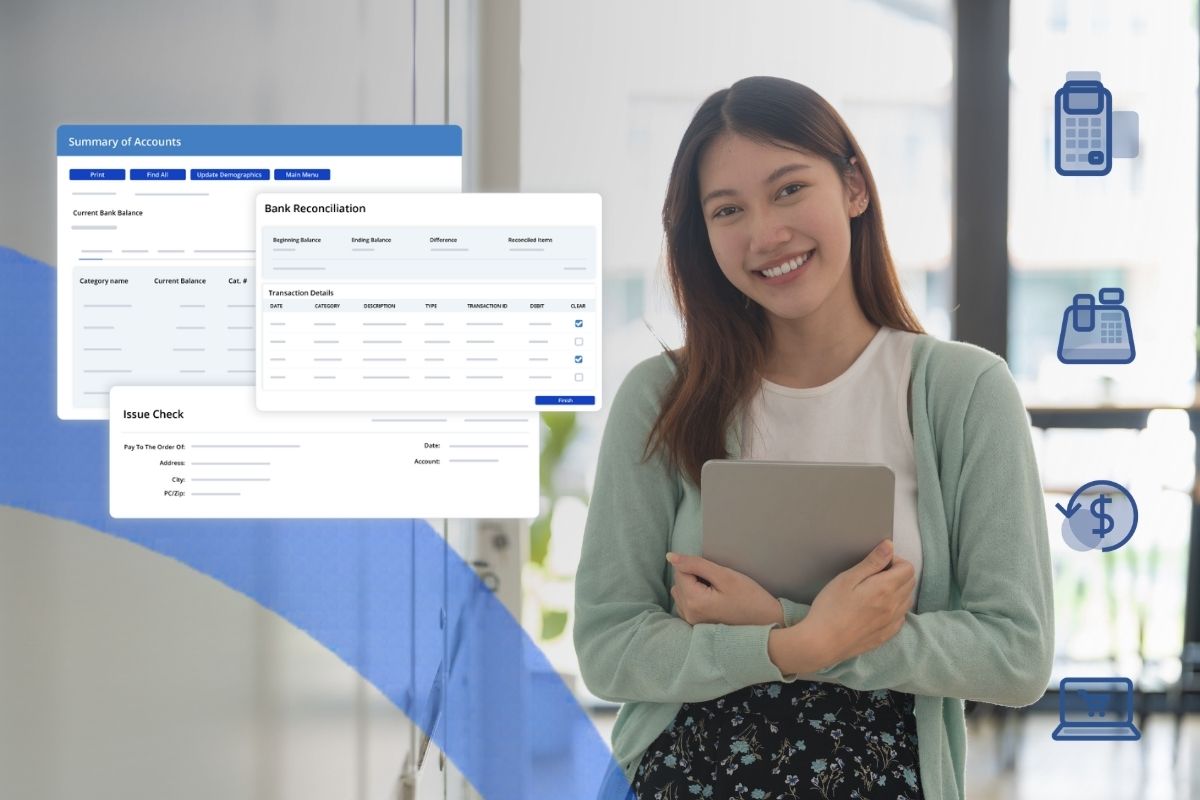
Sara says bank reconciliations are the item auditors watch most. Late reconciliations are a sign someone isn’t keeping up (or worse).
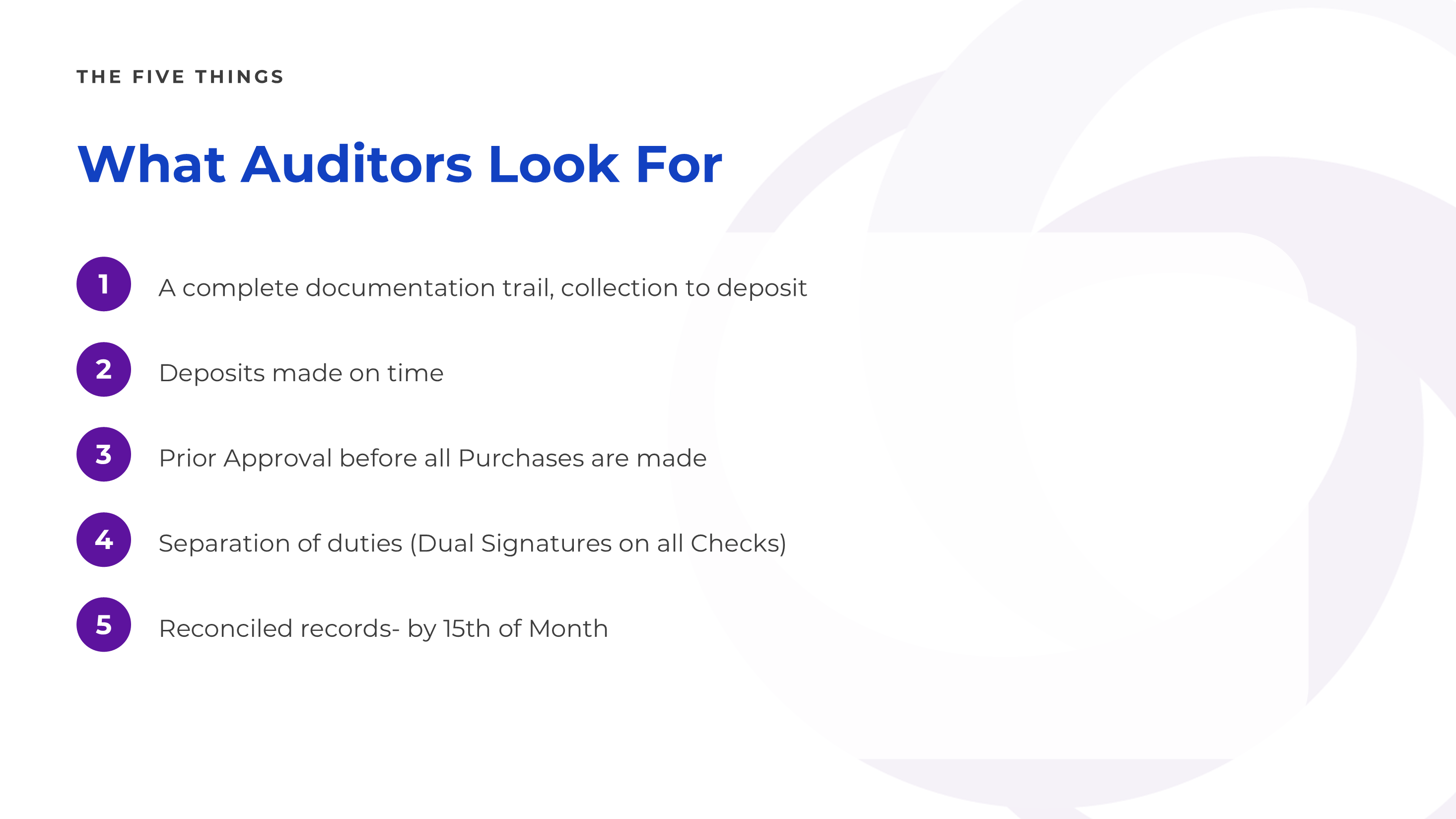
Keep these 5 things in mind when preparing for an audit
One check, one record
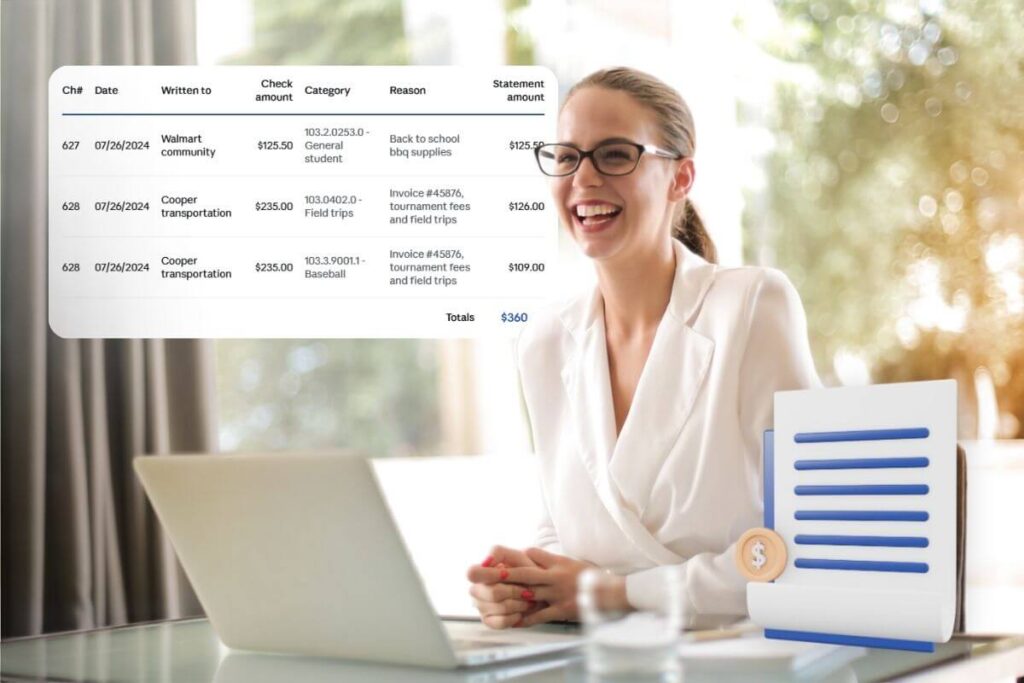
The webinar included a live demo on the lifecycle of a check at South Stanly High School. The check was for $143.56, and clicking the paperclip opened everything behind it:
- The check and the office copy, showing both signatures
- The check stub, stamped paid
- The invoice, or a blank school invoice when a vendor didn’t provide one, with the principal’s approval stamp
- The reimbursement request, signed by the person who was reimbursed
- The purchase order and the receipts
Everything attached is stamped paid to prevent double payment. For the auditors, that replaced a trip through filing cabinets. For the bookkeeper, it means a three-month-old check takes seconds to find instead of an afternoon.
Sara also pointed out that a scanned receipt doesn’t fade or get lost. Scanning while the paper is fresh keeps things readable.
Starting small
Stanly County did not roll all of this out at once. The first step was buying small desktop scanners (Sara said she got hers from Amazon) so bookkeepers could scan straight to their computers. Purchase orders and invoices came first. Check documentation came next. Each year since, the district has added something, most recently document attachments on receipts.
Sara meets with her bookkeepers every month to train and share reminders. Some pushed back at first with “I don’t have time.” Her answer was to scan documents as they come in rather than stacking them on the corner of a desk. Once a bookkeeper no longer has to dig out a three-month-old check, she says, they become bought in to the value
The auditors have a view-only login, and Sara kept it active all year so she could call them with questions. Principals have logins too. They can review every report and approve purchase orders, but they can’t write checks or enter data.
Less cash means less to audit
The other half of the story is money coming in. Stanly County began using SchoolCash Online in 2020 and reached 50% parent participation district-wide within a year or two. It is now at 92%. A year ago, some inner-city schools were at 32%. They’re now around 70%.
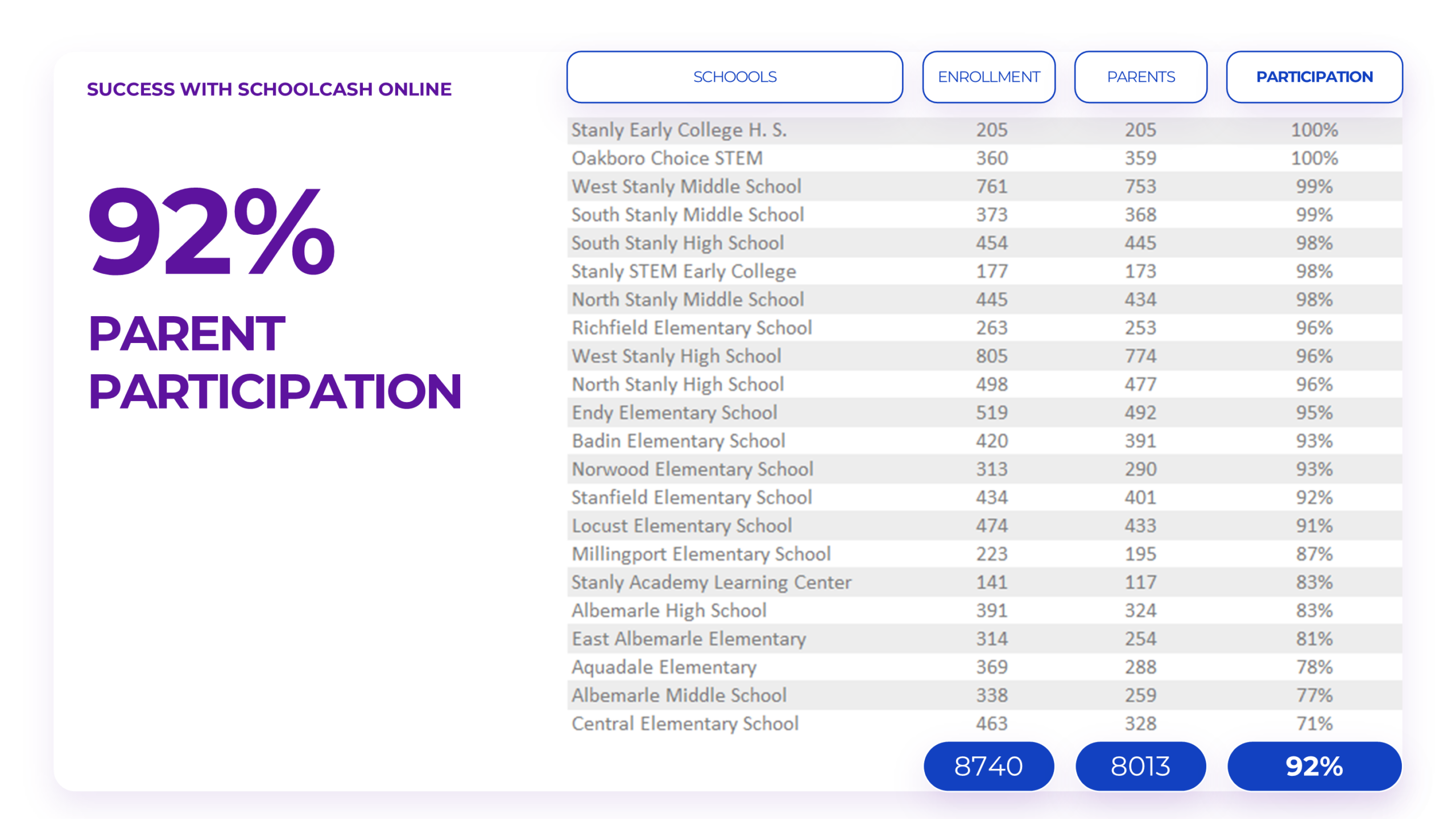
Stanly County reached BIG adoption in a short amount of time. Parents love the convenience, school staff love its simplicity, and district finance loves the improved oversight and security.
How they got there:
- Small events that required online payment, such as a dollar dance or hat day
- Helping parents sign up at open house and at the front office
- Telling teachers they no longer receipt money, so cash goes to the office, where the bookkeeper helps the parent set up an online account
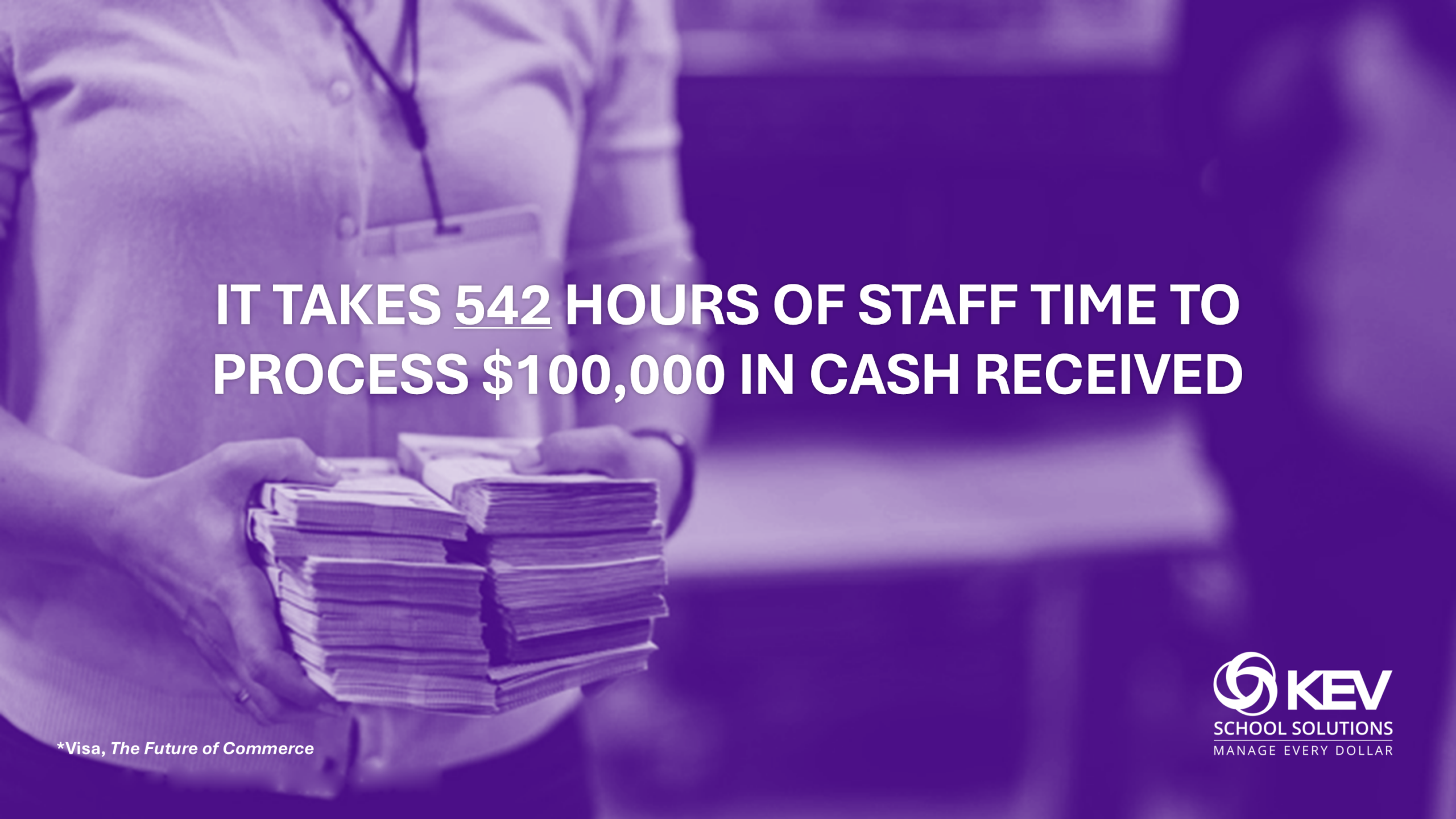
Most schools now have no receipt books. According to Visa, processing $100,000 in cash takes 542 hours of staff time. That is the work Stanly County’s bookkeepers and teachers no longer do. For auditors, it means little cash entering the building and a record of every payment. In Sarah’s words, they “don’t have to hunt it down if it’s missing.”
Refunds show the difference. During COVID, one Stanly County middle school had to refund about 800 canceled field trips, sports events, and proms. It took two months. Each refund meant pulling receipt books, copying receipts, writing a requisition and a purchase order, creating an invoice, and cutting a check. With SchoolCash Online, the bookkeeper selects the students, enters the reason, and submits. Parents get an email, the money goes back to the original payment method, and the reverse entries are automatically posted to the ledger. Sara put the time at about five seconds.
For in-person sales, the district has eight point-of-sale devices, started with the ag departments’ plant sales. The price is set as an event, the customer taps or swipes, and the money lands in the school’s account with a batch report the next morning.
What Sara would tell another district
Start now, start small, and get your principals and auditors on board. “I don’t wanna go back to all those big old boxes,” she said. The district’s goal is to eventually keep paper for only the most recent audit year, though she noted the five-year retention requirement still applies.
Get the latest K-12 finance best practices delivered to your inbox.
Recommended For You